Rescue Dogs Series - The First Seven Days After Adoption: Helping Your New Dog Feel Safe
Part Two of my Rescue Dog Blog Series – From planning to the first seven days, six weeks, five months…
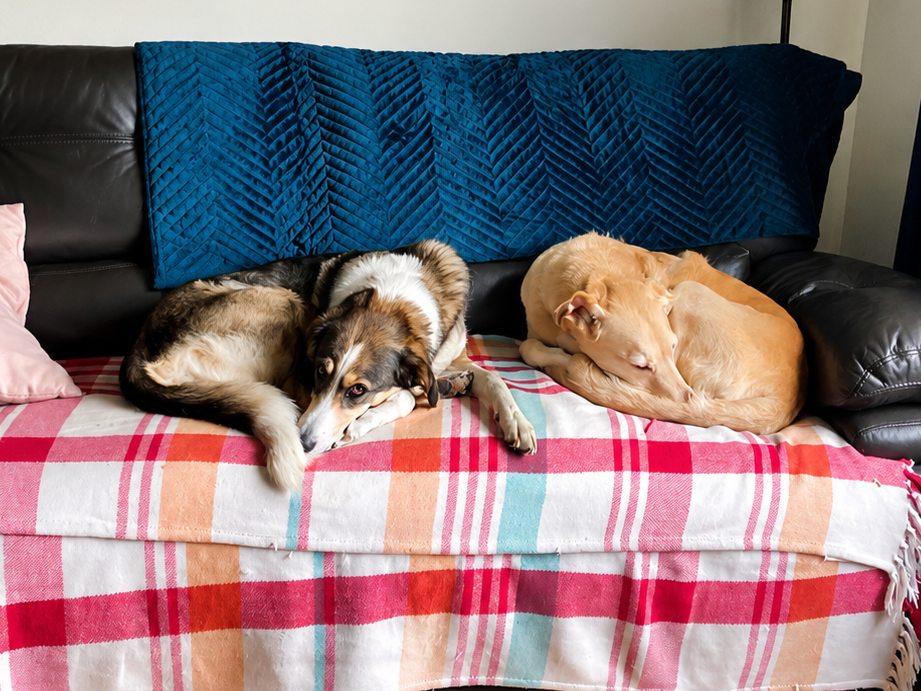
The First Seven Days After Adoption: Helping Your New Dog Feel Safe
Welcome back to the second blog in my series all about adopting a rescue dog. In the first blog, we looked at the things to consider before bringing a dog home. Today, we're focusing on what I believe is one of the most important stages of all – those first seven days.
This is something I see time and time again.
People finally bring their new dog home, they're incredibly excited (and rightly so!), and they immediately want to start their new life together. Friends and family want to visit, everyone wants to go on walks, trips to the pet shop are planned, and before you know it, your new dog has experienced more in a few days than they have in weeks.
The problem is...
They haven't had time to simply be.
Remember, their whole world has changed.
Your new dog has just experienced one of the biggest changes of their life.
They may have left behind familiar people, familiar dogs, routines, smells, and environments. Even if they've come from a loving foster home, everything now feels different and uncertain.
They don't know your routine.
They don't know the rules.
They don't know where they're sleeping.
Most importantly...
They don't know you yet.
That's a lot for any dog to process.
What You Might See
Every dog copes differently.
Some dogs seem incredibly quiet and settled.
Others may become clingy and follow you everywhere.
You might notice your dog:
· Sleeping much more than usual.
· Not eating very much.
· Hiding or avoiding interaction.
· Following you from room to room.
· Appearing shut down.
· Seeming absolutely perfect.
It's important to remember that many dogs are simply taking everything in. They're trying to work out what has happened and whether they're safe.
Keep Life Calm and Predictable
The best thing you can give your new dog isn't endless adventures.
It's predictability.
Try to establish simple routines around:
· Feeding
· Toileting
· Sleeping
· Quiet time
Dogs thrive on knowing what comes next.
The more predictable life becomes, the safer your dog is likely to feel.
Create a Safe Space
Make sure your dog has somewhere they can retreat to without being disturbed.
This might be:
· A crate (if they're happy using one)
· A comfortable bed
· A quiet room
· A corner of the living room
Let them choose when they want to interact with you rather than constantly encouraging them to join in.
Sometimes the greatest kindness is simply allowing a dog to rest.
Build Trust Slowly
Trust isn't built by doing everything together.
It's built through hundreds of small, positive moments.
Use:
· Food enrichment
· Sniffing opportunities
· Gentle training games
· Calm interactions
Let your dog discover that good things happen when they're with you.
Set Your Boundaries Early
While your dog needs time to settle, it's also worth thinking about the rules of your home from the very beginning.
Ask yourself:
· Is the dog allowed on the sofa?
· Where will they sleep?
· Are there rooms that are out of bounds?
· How will visitors be introduced?
Being consistent from day one makes life much easier for everyone.
Don't Overwhelm Them
It's so tempting to show off your new dog to friends and family.
But try to resist.
During these first seven days, I'd avoid:
· Lots of visitors.
· Busy walks.
· Dog parks.
· Shopping trips.
· Cafés and pubs.
· Flooding your dog with lots of new experiences.
Your dog has plenty of time to experience the world.
Right now, they simply need to feel secure.
Your Goal This Week Isn't Training
You don't need the perfect recall.
You don't need loose lead walking.
You don't need your dog to meet everyone in the neighbourhood.
Your only real goal during the first seven days is this:
Help your dog feel safe.
Everything else can come later.
Take Your Time
These first seven days are incredibly important.
Don't rush them.
Focus on building your relationship, learning about your dog's personality, and simply enjoying getting to know one another.
A rescue dog isn't looking for perfection.
They're looking for someone they can trust.
And that trust starts with patience, understanding, and giving them the time they need to settle into their new home.
In the next blog, we'll look at what often happens during the first six weeks, when your dog's confidence starts to grow and their true personality begins to shine through.