Sit, Sit, SIT
One of the biggest mindset shifts in dog training is understanding this:
Rehearsed is not the same as understood.
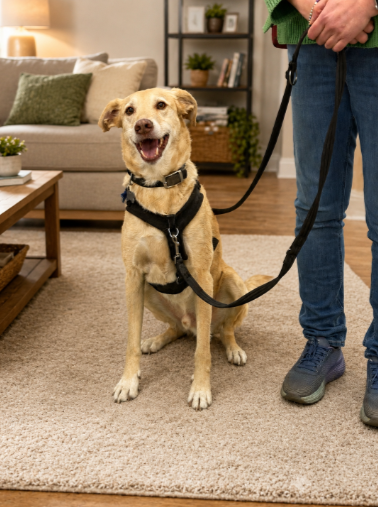
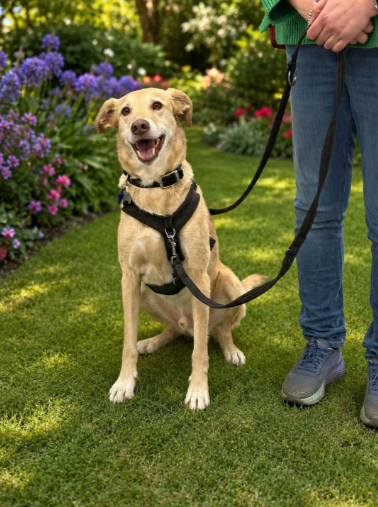
A dog can look absolutely brilliant at home. You ask for a sit in the kitchen… they sit instantly. You ask again in the living room… perfect. Again in the garden… no problem.
So naturally, we think: “Great, they know sit.”
Then we try the exact same cue:
on a walk
at the park
around dogs
around people
somewhere exciting or distracting
…and suddenly it feels like the dog has forgotten everything.
This is the point where many people think: “They’re ignoring me.” “They’re stubborn.” “They know this already.”
But usually? That’s not what’s happening at all.
Most of the time, the dog is struggling because the environment has become much harder than the one they learned in.
Imagine trying to do maths in a quiet classroom compared to doing maths in the middle of a nightclub. The skill itself may still exist, but the environment changes how easy it is to access.
Dogs are exactly the same.
One thing I talk about a lot in training is that dogs do not generalise well. They do not automatically understand that “sit” means the same thing everywhere.
To us, “sit” is a word.
To the dog, the whole picture matters:
the room
your body position
the smells
the distractions
the environment
how exciting or stressful things feel
So a dog that can sit beautifully in the kitchen may genuinely struggle to do the same thing outside the front of the house.
That does not mean the training has failed, it simply means the dog needs help building the skill in more places.
This is why proofing matters so much.
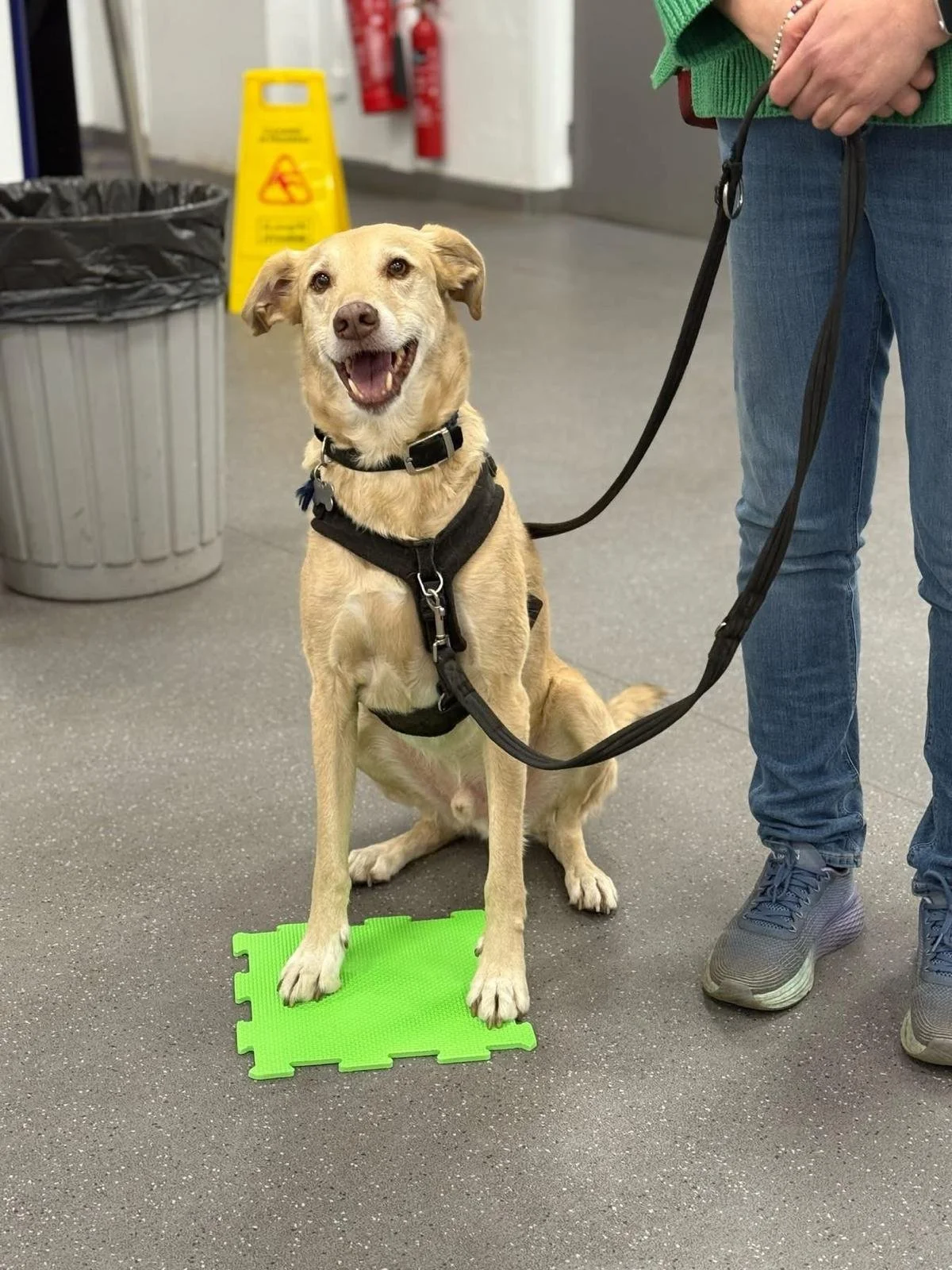
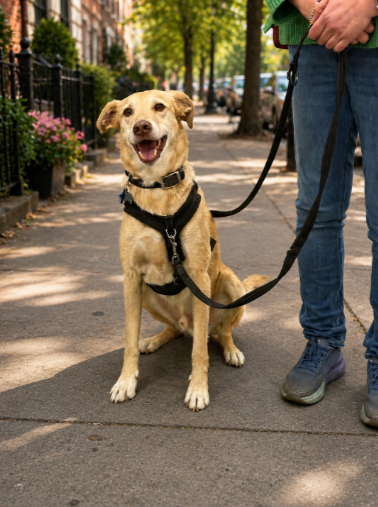
We build gradually: Kitchen → garden → front of house → quiet street → busier areas → parks → around distractions.
Little by little.
Success comes from helping dogs succeed at each step, not jumping straight to the hardest environment and hoping for the best.
And honestly, sometimes the biggest breakthroughs come from the smallest things repeated consistently.
Not flashy training.
Not endless corrections.
Just clear communication, repetition, structure, and practice in lots of different places.
The dogs that look “well trained” in the real world are usually not dogs that learned things instantly.
They are dogs that were given time to truly understand the skill everywhere.
- Karen